Germany was described as a pariah country, because the world blamed them for the war. People hated Germany because they started World War 1 and in World War 2, they killed many people, and in some cases invaded other countries. Ten years after the war West Germany was back on its feet because they were helped by the United States. After the Germans won the world cup, they declared that “we are somebody again.” The soccer match is what put Germany back on the map. In the 1950s the younger generation started to get rebellious and they rejected their parent’s world. They started to act more Americanized. The parents were not alright with this and rejected the youth’s culture.
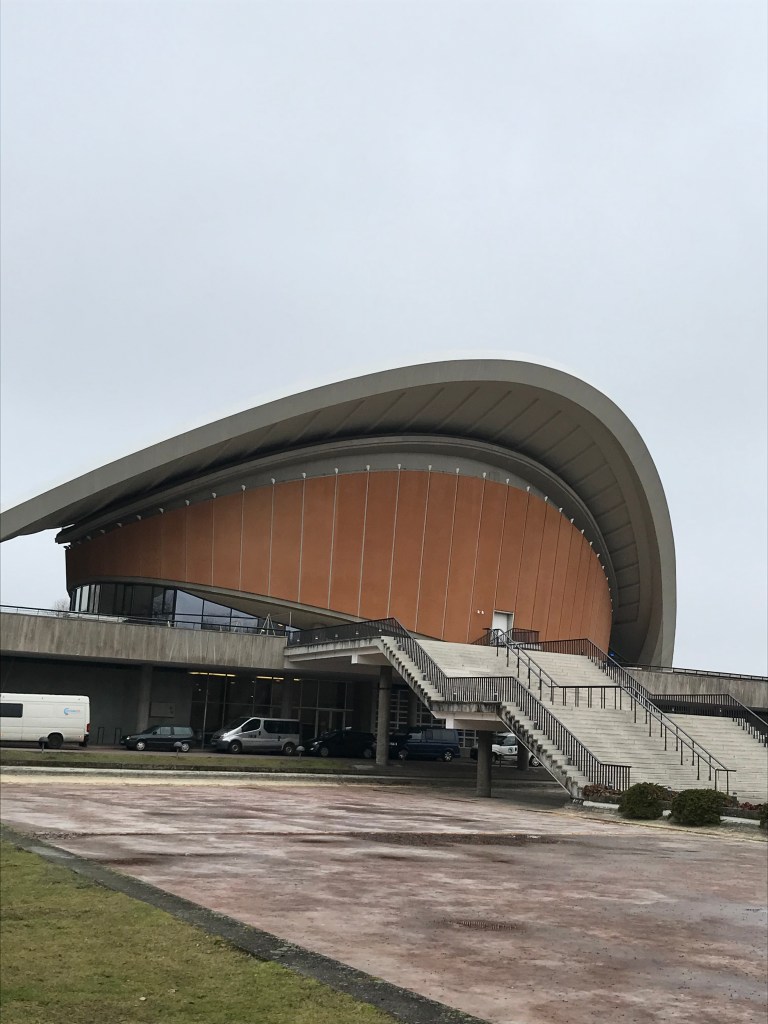
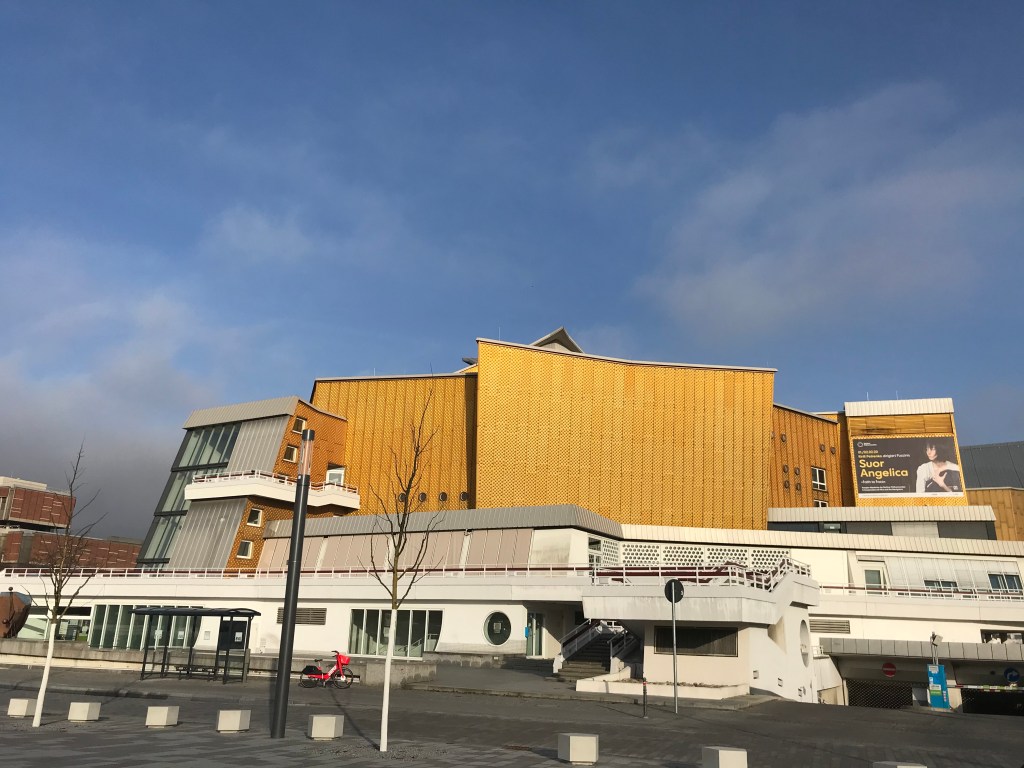
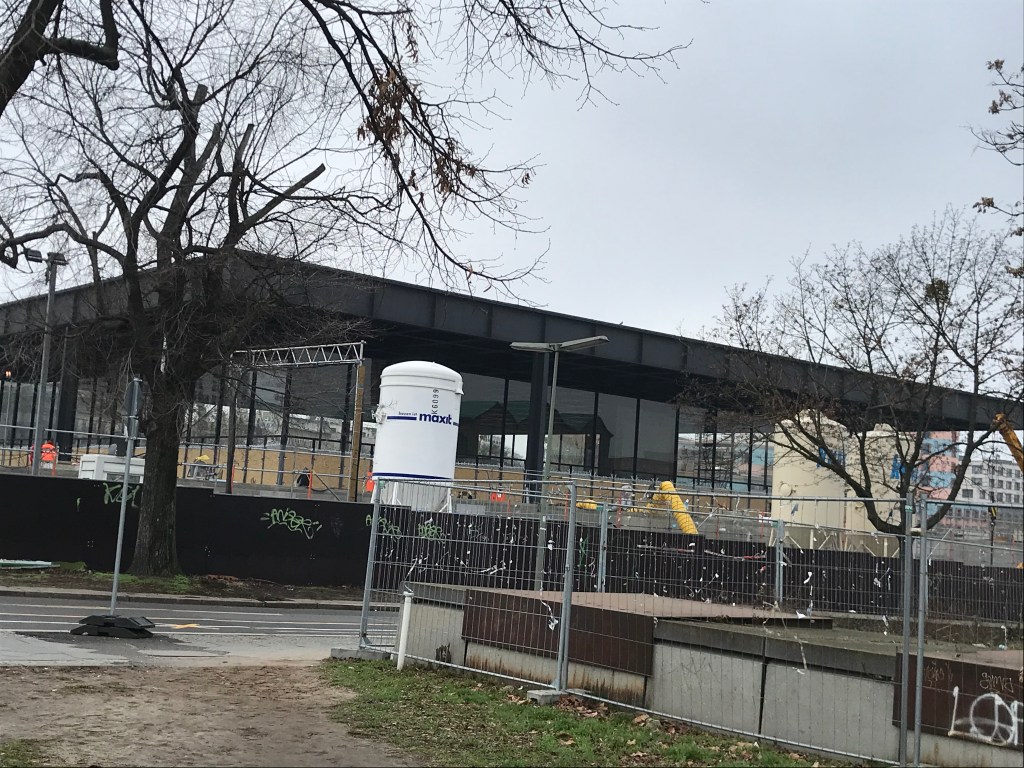
The look in the Western part of Berlin is definitely more modern. The city looks for like New York City. It looks like it would be the main attraction to tourists, because of all the big hotels and stores. It is also more flashy, then East Berlin. Many of the buildings were more modern looking, simple or abstract looking. The Philharmonic, for example of was comprised of many shaped and sharp angles. The building did not have symmetry. It was unusual for the time for buildings to be more abstract. Another example is the House of the Culture of the World. It was built in 1950. This building was a sign that West Germany was becoming more normalized. It was more beyond the Bauhaus style, but it was not as full as some of the other buildings. Concrete was a more promenade ascetic style and more then just building materials. The National Gallery was built in 1960. It has darker glass, a flat roof, and columns that support the roof. It is very simple and has no decoration. By the 1970s people start to reject the ascetic of buildings like this. It just shows that what is pleasing to you, is different for each generation.
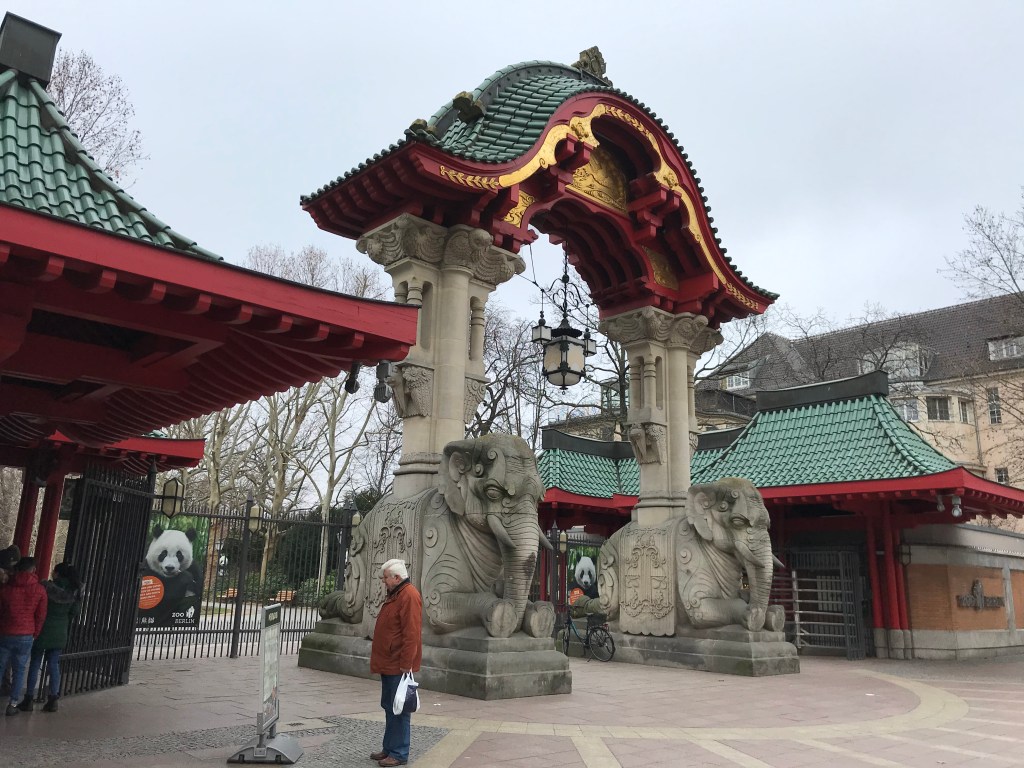
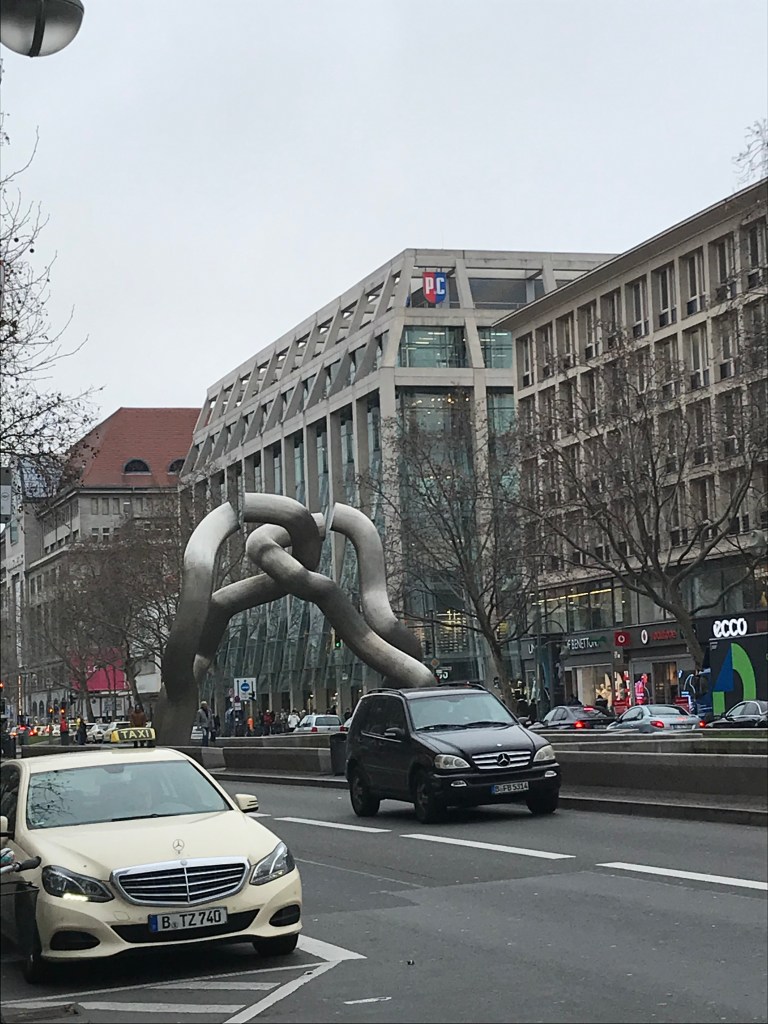
I liked how the Berlin Zoo looked. They incorporated many different cultural style looks. For example, the building itself looked like an Asian building, but the elephants looked like they were from India. The phenomena of popular entertainment was popular at the time the zoo was built. King Frederick donated the first animals. In 1904 they also displayed body parts from a genocide war. They would take indigenous people out to the desert and starve them, then put their heads on display. It was one of the first things that were restored after the war. Public art and sculptures became popular. Such as the broken chain. It was supposed to represent the separation of the East and the West. Little did they know that the wall was going to come down just a few years after. They decided to keep the sculpture to remind themselves of the hard time of being divided that they once went through.
 Ayanna's Blog